- Neorangic Healthcare offers high quality, reliable and effective drug formulations covering multiple therapeutics segments.
- +91 9915010084
- neorangichealthcare@gmail.com

PCD Pharma Franchise in Himachal Pradesh

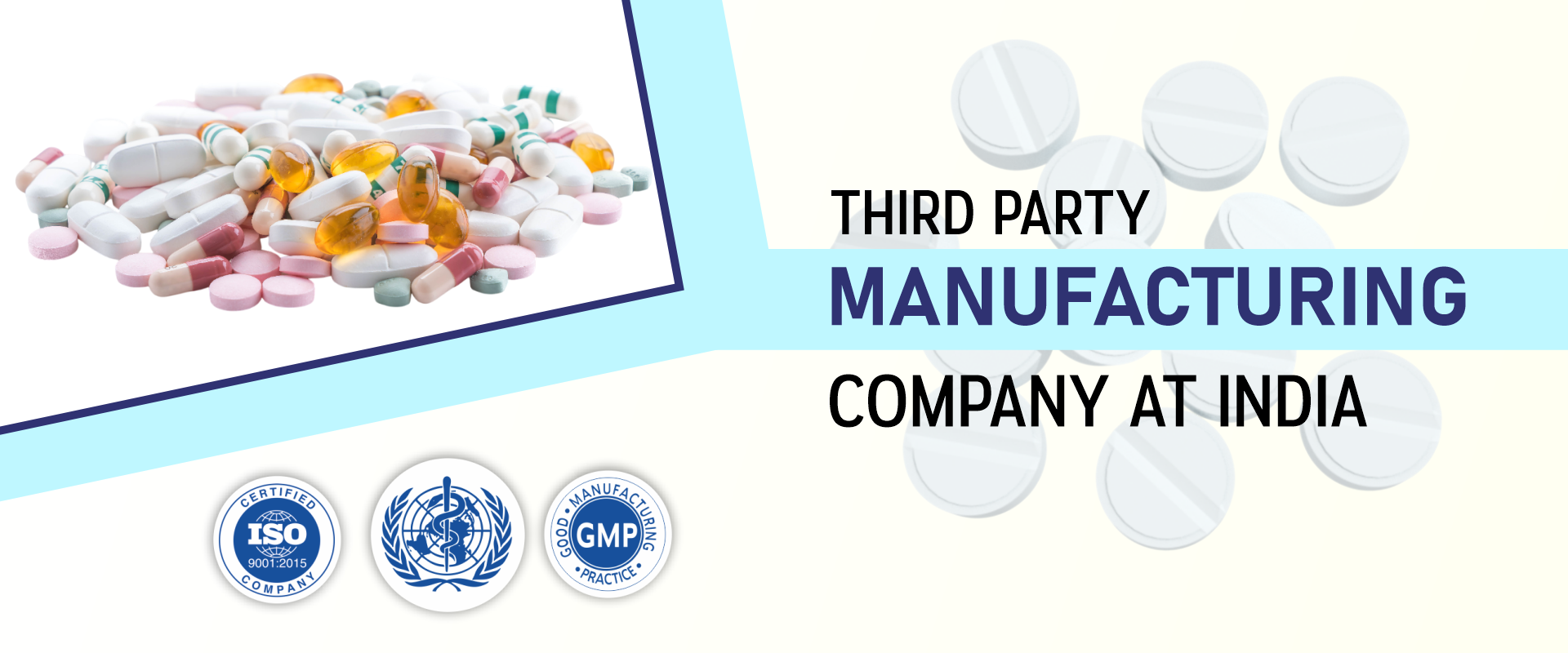

 Ask anyone in the pharmaceutical trade where India’s medicines actually come from, and sooner or later the conversation lands on one small town in the Shivalik foothills: Baddi. Tucked inside Solan district, the Baddi-Barotiwala-Nalagarh (BBN) industrial belt is today one of the largest pharmaceutical manufacturing clusters in all of Asia, with well over 600 active manufacturing units producing an estimated 35-40% of India’s total drug formulations. Global names like Cipla, Abbott, Cadila, Glenmark, Dr Reddy’s, and Torrent all run production facilities here, alongside hundreds of mid-sized and emerging manufacturers. That kind of manufacturing density right next door changes the economics of starting a pharma business in the state. A PCD pharma franchise in Himachal Pradesh lets entrepreneurs, medical representatives, and distributors tap directly into this manufacturing ecosystem — often getting shorter supply lines, fresher stock, and more competitive pricing than franchise partners operating in states far from the production source.
This guide covers what a PCD franchise in Himachal Pradesh actually involves, what it costs, which locations make sense, and how to evaluate a PCD pharma franchise company in India before signing on.
Why Himachal Pradesh Is a Unique Pharma Franchise Market
You’re Operating Next to the Source
Most franchise partners across India wait days for stock to travel from a manufacturing hub to their warehouse. In Himachal Pradesh, particularly around Solan, Baddi, Nalagarh, Parwanoo, and Kala Amb, franchise partners are often a short drive from the very facility producing their stock. This reduces delivery delays and makes it far easier to reorder fast-moving products without running out of stock at a chemist counter.
Policy Incentives Built the Cluster — and Keep Sustaining It
Himachal Pradesh’s industrial policy has historically offered tax exemptions, excise benefits, and investment subsidies to pharmaceutical manufacturers, which is exactly why the BBN belt grew so fast after the early 2000s. Industry estimates now put the total industrial turnover from the Baddi pharma cluster at more than ₹60,000 crore, supported by continued government focus on infrastructure and ease of doing business in the sector.
A Compact but Powerful Consumer Base
Himachal Pradesh’s own population is comparatively small next to states like Uttar Pradesh or Maharashtra, but it is not a low-demand market. Rising tourist inflow, an ageing resident population in several districts, growing insurance penetration, and expanding district hospital networks all sustain year-round medicine demand — while the presence of the manufacturing cluster itself creates a secondary market of company staff, associates, and B2B buyers who also purchase locally.
A State Positioned for Export-Linked Growth
Reports on the region note that many domestic units in Baddi are steadily upgrading to EU-GMP and USFDA compliance standards to serve export markets in over 200 countries, alongside a push toward eco-friendly manufacturing practices such as zero-liquid discharge and solar power adoption. This shift toward higher compliance standards benefits franchise partners too, since it means the products reaching your shelf are increasingly held to international quality benchmarks.
What a PCD Pharma Franchise Actually Means
PCD stands for Propaganda Cum Distribution. A pharmaceutical company grants an individual or small firm the right to market and sell its branded products within a defined territory. The franchise partner:
- Buys stock directly from the company at franchise rates
- Sells to hospitals, nursing homes, clinics, and retail chemists in their assigned area
- Promotes the brand using company-supplied visual aids, sample strips, and MR bags
- Usually gets monopoly rights, meaning the company won’t appoint a second franchise holder for the same products in the same territory
Because the company handles manufacturing, quality control, and regulatory approvals, the franchise partner’s job is almost entirely relationship-building and local market promotion — which is why this model suits first-time entrepreneurs as well as experienced medical representatives looking to go independent.
Investment Required for a PCD Franchise in Himachal Pradesh
| Component | Purpose |
| Security/franchise deposit | Initial commitment, often adjustable against future stock orders |
| First order value | Cost of your opening stock across chosen product categories |
| Promotional material | Visual aids, sample medicines, MR bags, product cards |
| Documentation | Franchise agreement processing and licence verification |
Because many manufacturers are based locally, franchise partners in Himachal Pradesh sometimes benefit from lower freight and logistics costs compared to partners operating in far-off states, which can meaningfully reduce total landed cost on bulkier product categories like syrups and liquid orals.
Documents Needed to Apply
- Valid drug licence (wholesale or retail)
- GST registration certificate
- PAN card
- Aadhaar card
- Passport-size photographs
- Bank account details
- Firm or business registration proof, where applicable
Best Locations in Himachal Pradesh for a PCD Franchise
| Location | Why It Matters |
| Baddi & Barotiwala | Heart of the manufacturing cluster; fastest access to fresh stock |
| Nalagarh | Growing industrial base with expanding chemist networks |
| Solan | District headquarters with steady institutional and hospital demand |
| Parwanoo | Border town near Chandigarh; strong trade connectivity |
| Shimla | State capital with consistent year-round patient footfall and tourism-driven demand |
| Kala Amb & Paonta Sahib | Emerging industrial belts with rising healthcare infrastructure |
Franchise partners targeting the BBN belt itself often deal in bulk B2B and institutional supply, while those in Shimla, Mandi, or Kangra typically build a more traditional retail-and-hospital promotion model.
Advantages of Choosing This Business Model
- Proximity to manufacturing reduces delivery time and logistics cost
- Monopoly-based territory limits competition from within the same brand
- Lower capital requirement compared to setting up a manufacturing or full-scale distribution business
- Wide access to formulations across tablets, capsules, syrups, injections, ointments, and softgels
- Company-provided promotional support, which reduces your independent marketing spend
- Strong long-term outlook, backed by continued expansion of India’s overall pharmaceutical market
How to Choose the Right PCD Pharma Franchise Company in India
With hundreds of manufacturers offering franchise opportunities out of Himachal Pradesh alone, due diligence matters. Before signing an agreement, check:
- Certification — WHO-GMP and ISO 9001:2015 certified manufacturing is the minimum bar
- Product breadth — a company offering 200+ formulations across multiple therapeutic segments gives you more to pitch to doctors and chemists
- Documented monopoly rights — get your territory written into the agreement, not just promised verbally
- Delivery reliability — ask existing associates how consistent stock supply has been
- Promotional support policy — confirm what’s provided free versus billed separately
- Transparent pricing — avoid companies with vague or shifting rate structures
As one example of how this looks in practice, Neorangic Healthcare operates as a PCD pharma franchise company in India built around a monopoly-based franchise model, manufacturing carried out at ISO 9001:2015 and WHO-GMP certified facilities, and a product portfolio spanning tablets, capsules, syrups, injections, softgels, and herbal formulations across multiple therapeutic segments. Companies structured around certified manufacturing, clear monopoly terms, and a wide product catalogue tend to be a more dependable starting point for anyone new to PCD franchising in a cluster as competitive as Himachal Pradesh.
Mistakes to Avoid as a First-Time Franchise Partner
- Skipping verification of the company’s drug licence and manufacturing certification
- Picking a territory based on personal convenience rather than actual hospital and chemist density
- Placing an oversized opening stock order before understanding local demand
- Not clarifying the return or replacement policy for near-expiry or damaged stock
- Failing to confirm whether your monopoly rights are truly exclusive or shared with another distributor
Is Himachal Pradesh a Good State to Start This Business in 2026?
Given that the state hosts one of Asia’s largest pharma manufacturing clusters, offers shorter supply chains for local franchise partners, and continues to see rising compliance standards among manufacturers pushing toward export-grade quality, the underlying conditions for a PCD pharma franchise in Himachal Pradesh remain strong heading into the rest of 2026. The state’s broader position within India’s pharmaceutical sector — one that continues to expand at a healthy pace nationally — adds further tailwind for anyone considering this business now.
Conclusion
A PCD pharma franchise in Himachal Pradesh offers something few other Indian states can: direct proximity to the country’s largest pharmaceutical manufacturing base. That proximity translates into practical advantages — shorter delivery timelines, competitive pricing, and access to a dense network of established and emerging manufacturers. Success still comes down to the fundamentals: choosing the right territory, securing genuine monopoly rights, and partnering with a certified, transparent PCD pharma franchise company in India. For entrepreneurs willing to do that groundwork, Himachal Pradesh remains one of the most strategically located states to build a long-term pharma distribution business.
I linked it to the Department of Pharmaceuticals (Government of India) — an authoritative, government outbound source relevant to the claim, keeping the rest of the paragraph untouched.
Frequently Asked Questions (FAQs)
1. What is a PCD pharma franchise in Himachal Pradesh?
It’s a business model where a pharmaceutical company grants an individual or firm the rights to market and sell its medicines under its brand name within a specific district or region of Himachal Pradesh, typically with monopoly rights.
2. Why is Himachal Pradesh considered a strong state for pharma franchise business?
The Baddi-Barotiwala-Nalagarh belt is one of Asia’s largest pharmaceutical manufacturing clusters, producing an estimated 35-40% of India’s drug formulations, giving local franchise partners shorter supply chains and competitive stock pricing.
3. How much investment is required to start a PCD pharma franchise in Himachal Pradesh?
Costs vary by company but generally include a security deposit, first stock order value, and minor documentation charges. Local proximity to manufacturers can also help reduce logistics costs.
4. Is a drug licence mandatory to start this business?
Yes, a valid wholesale or retail drug licence is a legal requirement before purchasing, stocking, or selling pharmaceutical products anywhere in India, including Himachal Pradesh.
5. Which locations in Himachal Pradesh are best for a PCD pharma franchise?
Baddi, Barotiwala, Nalagarh, and Solan are close to the manufacturing cluster, while Shimla and Parwanoo offer strong retail and institutional demand.
6. Do PCD pharma franchise companies in India offer monopoly rights in Himachal Pradesh?
Most established companies, including Neorangic Healthcare, offer monopoly-based franchise models that give partners exclusive rights over their assigned territory.
7. What should I verify before signing with a PCD pharma franchise company?
Check their WHO-GMP/ISO certification, product portfolio size, written monopoly terms, delivery track record, and pricing transparency before finalising any agreement.