- Neorangic Healthcare offers high quality, reliable and effective drug formulations covering multiple therapeutics segments.
- +91 9915010084
- neorangichealthcare@gmail.com

Aceclofenac Paracetamol And Chlorzoxazone Tablets
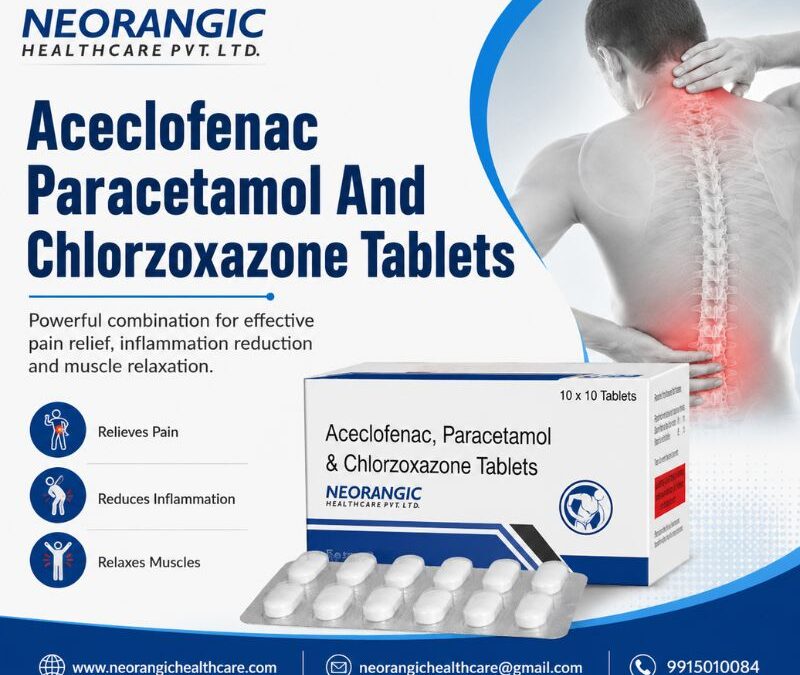
Muscle pain and skeletal stiffness can be debilitating, often preventing individuals from performing even the simplest daily tasks. When standard pain relievers fail to provide adequate relief, doctors frequently turn to a powerful triple-combination therapy: Aceclofenac, Paracetamol, and Chlorzoxazone tablets.
This combination medication is specifically designed to target the root causes of physical discomfort—inflammation, pain signals, and muscle spasms. By combining an anti-inflammatory agent, an analgesic, and a muscle relaxant, these tablets provide a holistic approach to recovery.
In this comprehensive guide, we will break down how each component works, the medical conditions it treats, recommended dosages, and the safety precautions every patient should know.
Understanding the Triple Action Formula
To understand why this combination is so effective, we must look at the three active ingredients that work in synergy to restore mobility.
1. Aceclofenac: The Anti-Inflammatory Powerhouse
Aceclofenac belongs to a class of drugs known as Non-Steroidal Anti-Inflammatory Drugs (NSAIDs). It works by blocking the action of an enzyme called cyclo-oxygenase (COX). This enzyme is responsible for producing prostaglandins—chemicals in the body that cause pain, swelling, and inflammation at the site of an injury. By reducing prostaglandin levels, Aceclofenac effectively brings down swelling and eases deep-seated tissue pain.
2. Paracetamol: The Reliable Analgesic
Paracetamol (also known as Acetaminophen) is one of the most widely used pain relievers globally. While it has mild anti-inflammatory properties, its primary strength lies in its ability to increase the body’s overall pain threshold. It acts on the central nervous system to turn down the “volume” of pain signals reaching the brain. Additionally, it serves as an antipyretic, helping to reduce any associated fever.
3. Chlorzoxazone: The Muscle Relaxant
Chlorzoxazone is a skeletal muscle relaxant that works directly on the spinal cord and subcortical areas of the brain. Unlike the other two ingredients, it doesn’t target the pain site directly. Instead, it inhibits the reflexes that cause muscles to cramp or go into spasm. By “resetting” these overactive muscle fibers, it allows the affected area to relax, which significantly improves range of motion and reduces the sharp, stabbing pain associated with spasms.
Primary Uses of Aceclofenac, Paracetamol, and Chlorzoxazone Tablets
This combination is typically reserved for acute, painful musculoskeletal conditions where muscle spasms are a major factor.
1. Lower Back Pain (Lumbago)
Lower back pain is often a combination of disc or joint inflammation and the resulting muscle guarding (spasms). This triple-action tablet addresses both the inflammation in the tissues and the tightness in the lower back muscles, providing faster relief than single-ingredient painkillers.
2. Post-Surgical Recovery
After orthopedic surgeries, patients often experience significant muscle tension and inflammatory pain. Surgeons may prescribe this combination to manage post-operative discomfort and prevent muscles from tightening around the surgical site.
3. Sports Injuries and Sprains
High-impact sports injuries often result in severe muscle pulls, tears, or sprains. The swelling associated with these injuries can be managed by Aceclofenac, while Chlorzoxazone ensures that the surrounding muscles do not seize up, which could otherwise lead to further injury.
4. Rheumatoid Arthritis and Osteoarthritis
In chronic conditions like arthritis, the joints are constantly inflamed. This often leads to secondary muscle stiffness as the body tries to protect the painful joint. This medication helps manage “flare-ups” by reducing joint swelling and relaxing the stiff muscles around the affected joints.
5. Spondylitis and Neck Pain
Conditions like ankylosing spondylitis or cervical spondylosis cause chronic stiffness in the spine and neck. The combination of Aceclofenac, Paracetamol, and Chlorzoxazone is highly effective in breaking the cycle of pain and stiffness in these areas.
Standard Dosage and Administration
Disclaimer: This medication should only be taken under the strict supervision of a healthcare professional.
General Dosage Guidelines:
- Standard Dose: For most adults, the typical dose is one tablet taken twice daily (morning and evening).
- Duration: This medication is generally intended for short-term use (usually 3 to 7 days). Prolonged use can increase the risk of gastric and hepatic side effects.
How to Take the Medication:
- With Food: Always take this tablet after a meal or with a glass of milk. Taking NSAIDs like Aceclofenac on an empty stomach can lead to gastric irritation or ulcers.
- Whole Tablet: Swallow the tablet whole with water. Do not crush or chew it, as this can interfere with the controlled release of the medication.
- Hydration: Drink plenty of water throughout the day to help your kidneys process the medication efficiently.
Potential Side Effects
While highly effective, the combination of these three drugs can cause side effects in some patients. Most are mild and disappear once the medication is stopped.
Common Side Effects:
- Gastrointestinal Issues: Nausea, indigestion, stomach pain, or mild diarrhea.
- Drowsiness: Due to the muscle relaxant (Chlorzoxazone), some patients may feel sleepy or lightheaded.
- Dizziness: A feeling of unsteadiness, especially when standing up quickly.
- Dry Mouth: A common secondary effect of muscle relaxants.
Rare but Serious Side Effects:
Seek immediate medical attention if you notice:
- Liver Toxicity: Yellowing of the eyes/skin (jaundice), dark urine, or extreme fatigue. (For more on liver health, refer to the American Liver Foundation’s guidelines).
- Gastrointestinal Bleeding: Black, tarry stools or vomiting blood.
- Allergic Reactions: Skin rash, hives, or swelling of the face and tongue.
- Kidney Issues: Sudden change in the amount of urine or swelling in the ankles.
Critical Precautions and Warnings
1. Alcohol Consumption
You must strictly avoid alcohol while taking this medication. Both Paracetamol and Chlorzoxazone are processed by the liver. Combining them with alcohol significantly increases the risk of severe liver damage and enhances the sedative effects of the muscle relaxant, which can be dangerous.
2. Driving and Heavy Machinery
Because Chlorzoxazone can cause significant drowsiness and blurred vision, you should not drive or operate heavy machinery until you are certain how the medication affects your alertness.
3. Pre-existing Conditions
Inform your doctor if you have a history of:
- Peptic ulcers or gastric bleeding.
- Kidney or liver disease.
- Asthma (as NSAIDs can sometimes trigger an attack).
- Heart disease or high blood pressure.
4. Pregnancy and Breastfeeding
This medication is generally not recommended during pregnancy, especially in the third trimester, as Aceclofenac can affect the fetal heart and kidneys. Breastfeeding mothers should also consult their doctor, as these chemicals can pass into breast milk.
Drug Interactions: What to Avoid
Taking Aceclofenac, Paracetamol, and Chlorzoxazone with other medications can lead to adverse reactions.
- Other NSAIDs: Avoid taking other painkillers like Ibuprofen or Naproxen, as this increases the risk of stomach ulcers.
- Blood Thinners: Medications like Warfarin may interact with Aceclofenac, increasing the risk of bleeding.
- Antihypertensives: This combination may reduce the effectiveness of certain blood pressure medications.
- CNS Depressants: Sleep aids or anxiety medications can dangerously increase the sedative effects of Chlorzoxazone.
Frequently Asked Questions (FAQs)
1. Is this combination safe for elderly patients?
Elderly patients are at a higher risk of gastric bleeding and kidney issues when taking NSAIDs. Doctors usually prescribe a lower dose and monitor these patients closely.
2. Can I take this for a simple headache?
No. This medication is specifically formulated for musculoskeletal pain involving muscle spasms. A simple headache is better treated with plain Paracetamol or Ibuprofen.
3. How quickly does it start working?
Most patients feel a reduction in pain and muscle tension within 30 to 60 minutes of taking the first dose.
4. Why is my urine a different color?
Chlorzoxazone can occasionally cause the urine to turn orange or reddish-purple. This is a harmless side effect of the medication being processed by the body and is not a cause for alarm.
Conclusion: A Multi-Pronged Approach to Recovery
Aceclofenac, Paracetamol, and Chlorzoxazone tablets offer a sophisticated solution for individuals struggling with acute muscle and joint pain. By addressing the pain at its source, reducing inflammation, and forcing tight muscles to relax, this combination accelerates the healing process and helps patients return to their normal lives.
However, the power of this medication comes with a responsibility to use it safely. Always adhere to the prescribed dosage, avoid alcohol, and monitor your body for any adverse reactions. When used correctly, it is one of the most effective tools in modern medicine for musculoskeletal relief.