- Neorangic Healthcare offers high quality, reliable and effective drug formulations covering multiple therapeutics segments.
- +91 9915010084
- neorangichealthcare@gmail.com

Atenolol 50mg
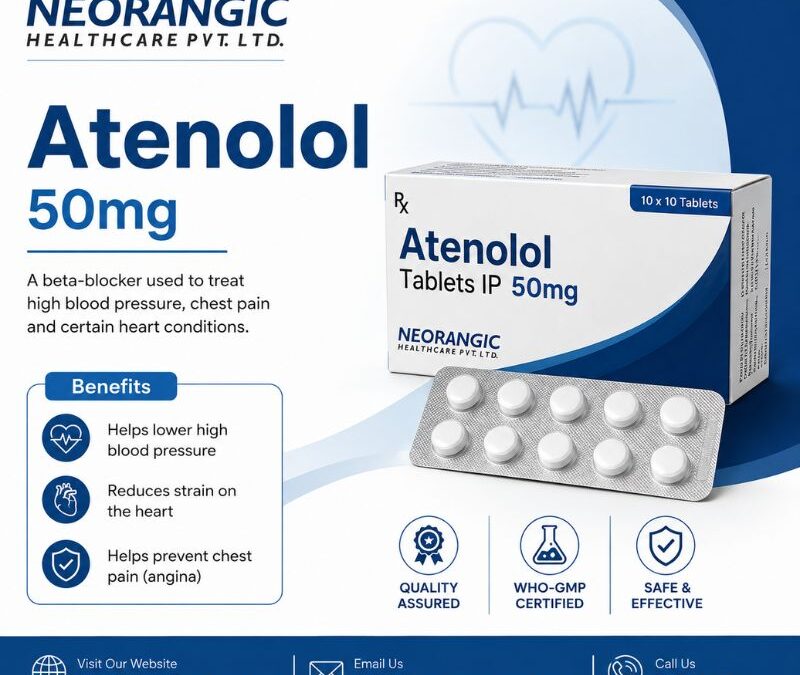
Managing heart health is a lifelong commitment for millions of individuals worldwide. When lifestyle changes like diet and exercise aren’t enough to control high blood pressure or protect the heart from strain, pharmacological intervention becomes necessary. One of the most long-standing and widely prescribed medications for these conditions is Atenolol 50mg.
Classified as a “beta-blocker,” Atenolol is a cornerstone in cardiovascular medicine. It is primarily used to treat hypertension (high blood pressure) and angina (chest pain), and to improve survival rates after a heart attack.
In this detailed, human-written guide, we will explore everything you need to know about Atenolol 50mg—from how it works inside your vascular system to the potential side effects and essential precautions you must take while on this therapy.
What is Atenolol 50mg?
Atenolol is a cardio-selective beta-1 adrenergic receptor blocker. In simpler terms, it is a medication designed to target the heart’s receptors specifically, rather than affecting the lungs or other organs as much as older, non-selective beta-blockers might.
The 50mg dose is one of the most common strengths prescribed, often serving as a standard starting point for adults or a maintenance dose for long-term blood pressure control.
How it Works: The Science of “Slowing Down”
Your body uses natural chemicals like adrenaline (epinephrine) and noradrenaline to signal the heart to beat faster and harder during times of stress or physical exertion. While this “fight or flight” response is useful in emergencies, a heart that is constantly stimulated by these chemicals becomes overworked, leading to high blood pressure and increased risk of cardiovascular events.
Atenolol works by:
- Blocking Adrenaline: It sits on the beta-receptors of the heart, preventing adrenaline from binding to them.
- Lowering Heart Rate: By blocking these signals, Atenolol slows down the heart rate, allowing the heart to beat more regularly and with less force.
- Reducing Blood Pressure: As the heart pumps with less intensity, the pressure against the walls of the arteries decreases.
- Decreasing Oxygen Demand: Because the heart is working less, it requires less oxygen, which is why Atenolol is so effective at preventing angina (chest pain caused by low oxygen supply to the heart muscle).
Primary Medical Uses of Atenolol 50mg
Atenolol is a versatile medication used across several areas of cardiology. Here are its primary indications:
1. Management of Hypertension (High Blood Pressure)
Hypertension is often called the “silent killer” because it rarely shows symptoms until it causes significant damage. Chronic high blood pressure can lead to strokes, kidney failure, and heart disease. According to the American Heart Association, managing blood pressure effectively is critical for long-term health. Atenolol 50mg is frequently used alone or in combination with other medications (like diuretics) to bring blood pressure back into a healthy range.
2. Angina Pectoris
Angina is the medical term for chest pain that occurs when your heart muscle doesn’t get enough oxygen-rich blood. This usually happens during physical activity or stress. By keeping the heart rate low, Atenolol ensures that the heart’s demand for oxygen stays within a safe limit, significantly reducing the frequency and severity of angina attacks.
3. Post-Myocardial Infarction (Heart Attack) Recovery
In the aftermath of a heart attack, the heart muscle is weakened and vulnerable. Doctors often prescribe Atenolol to reduce the workload on the recovering muscle. This not only helps the heart heal but has been clinically proven to improve long-term survival rates and reduce the risk of a second heart attack.
4. Arrhythmias
Arrhythmia refers to an irregular heartbeat. Whether the heart is beating too fast (tachycardia) or irregularly, Atenolol helps stabilize the electrical signals in the heart, restoring a steady, normal rhythm.
Standard Dosage and Administration Guidelines
Atenolol 50mg must be taken exactly as prescribed by your doctor. Hormonal and cardiovascular balance is delicate, and sudden changes in dosage can have serious consequences.
Typical Dosage Framework:
- For Hypertension: The usual starting dose is 50mg once daily. If the desired result isn’t achieved in two weeks, the doctor may increase the dose to 100mg.
- For Angina: A dose of 50mg once daily is standard, though some patients may require 100mg for full protection.
- For Post-Heart Attack: Dosage is usually initiated in the hospital and continued as 50mg to 100mg daily.
How to Take Atenolol:
- Consistency is Key: Take your tablet at the same time every day. This maintains a steady level of the medication in your bloodstream.
- With or Without Food: Atenolol can be taken with or without food. However, try to be consistent with how you take it (e.g., always with breakfast) to ensure even absorption.
- Whole Tablet: Swallow the tablet whole with a glass of water.
- Do Not Stop Abruptly: This is the most important rule. If you suddenly stop taking Atenolol, your blood pressure could “rebound” to dangerously high levels, or you could trigger a heart attack. Always taper off under medical supervision.
Common Side Effects of Atenolol 50mg
While Atenolol is generally well-tolerated, it does alter how your body responds to stress and physical activity, which can lead to certain side effects.
1. Fatigue and Cold Extremities
Because the heart is beating more slowly and blood pressure is lower, you may feel more tired than usual, especially when you first start the medication. Additionally, because blood flow to the hands and feet might be slightly reduced, some patients report feeling colder in their fingers and toes.
2. Dizziness or Lightheadedness
If your blood pressure drops too quickly—for example, when standing up from a sitting position—you may feel dizzy. This is known as orthostatic hypotension.
3. Slow Heart Rate (Bradycardia)
While the goal is to slow the heart, sometimes it can slow down too much. If you feel faint, extremely weak, or notice your pulse is consistently below 50 beats per minute, contact your doctor.
4. Digestive Issues
Some patients experience mild nausea, diarrhea, or stomach discomfort. These symptoms usually subside as the body adapts to the medication.
5. Mood Changes
In some cases, beta-blockers like Atenolol can cause vivid dreams, sleep disturbances, or a feeling of low mood.
Critical Precautions and Warnings
Atenolol 50mg is a powerful medication that requires careful monitoring. There are several conditions and situations where Atenolol must be used with extreme caution.
1. Asthma and Respiratory Conditions
While Atenolol is “cardio-selective,” at higher doses or in sensitive individuals, it can still affect the beta-receptors in the lungs. This can cause the airways to constrict, making it dangerous for people with asthma or severe COPD.
2. Diabetes
Atenolol can mask the symptoms of low blood sugar (hypoglycemia). Normally, when your blood sugar drops, your heart races—a signal that you need to eat. Since Atenolol keeps the heart rate low, you might not realize your blood sugar is crashing. If you have diabetes, you will need to monitor your glucose levels more closely.
3. Pregnancy and Breastfeeding
Atenolol is generally avoided during pregnancy as it can affect the growth of the fetus and the baby’s heart rate after birth. It can also pass into breast milk. If you are pregnant or planning to conceive, discuss alternative blood pressure medications with your doctor.
4. Kidney Function
Atenolol is primarily cleared from the body through the kidneys. If you have kidney disease, your doctor may need to prescribe a lower dose to prevent the medication from building up to toxic levels in your system.
Drug Interactions: What to Avoid
Combining Atenolol with other substances can lead to adverse effects. Ensure your doctor knows about every supplement and medication you take.
- Calcium Channel Blockers: Medications like Verapamil or Diltiazem, when taken with Atenolol, can slow the heart to a dangerous level.
- NSAIDs: Common painkillers like Ibuprofen or Naproxen can reduce the blood-pressure-lowering effects of Atenolol.
- Alcohol: Alcohol can enhance the blood-pressure-lowering effect of Atenolol, leading to severe dizziness or fainting. It is best to avoid or strictly limit alcohol.
- Clonidine: If you are taking Clonidine along with Atenolol, stopping either medication suddenly can cause a massive, life-threatening spike in blood pressure.
Frequently Asked Questions (FAQs)
1. Can I exercise while taking Atenolol 50mg?
Yes, but you should be aware that your heart rate will not rise as high as it used to during exercise. You may feel out of breath sooner or feel like you have less “stamina.” Use a “Rate of Perceived Exertion” (how hard you feel you are working) rather than a heart rate monitor to gauge your intensity.
2. Does Atenolol cause weight gain?
Weight gain is a possible side effect of many beta-blockers, though it is less common with Atenolol than with older versions. If you notice sudden weight gain accompanied by swelling in the ankles, contact your doctor, as this could indicate fluid retention.
3. How long does it take for Atenolol to work?
For blood pressure, it may take 1 to 2 weeks to see the full effect. For angina, you may notice a reduction in chest pain within the first few days.
4. Can I take Atenolol only when I feel “stressed”?
No. Atenolol is not a “rescue” medication. It must be taken daily to maintain the structural and electrical stability of your heart.
Conclusion: Partnering with Your Doctor for a Healthier Heart
Atenolol 50mg is a reliable, time-tested tool in the fight against cardiovascular disease. By allowing your heart to work more efficiently and protecting your arteries from the damaging effects of high blood pressure, it can significantly extend your life and improve your daily well-being.
However, the success of Atenolol therapy depends on your commitment to the regimen. Never skip doses, monitor your heart rate, and maintain open communication with your healthcare provider. With the right approach, Atenolol can be a foundational part of your journey toward a stronger, healthier heart.